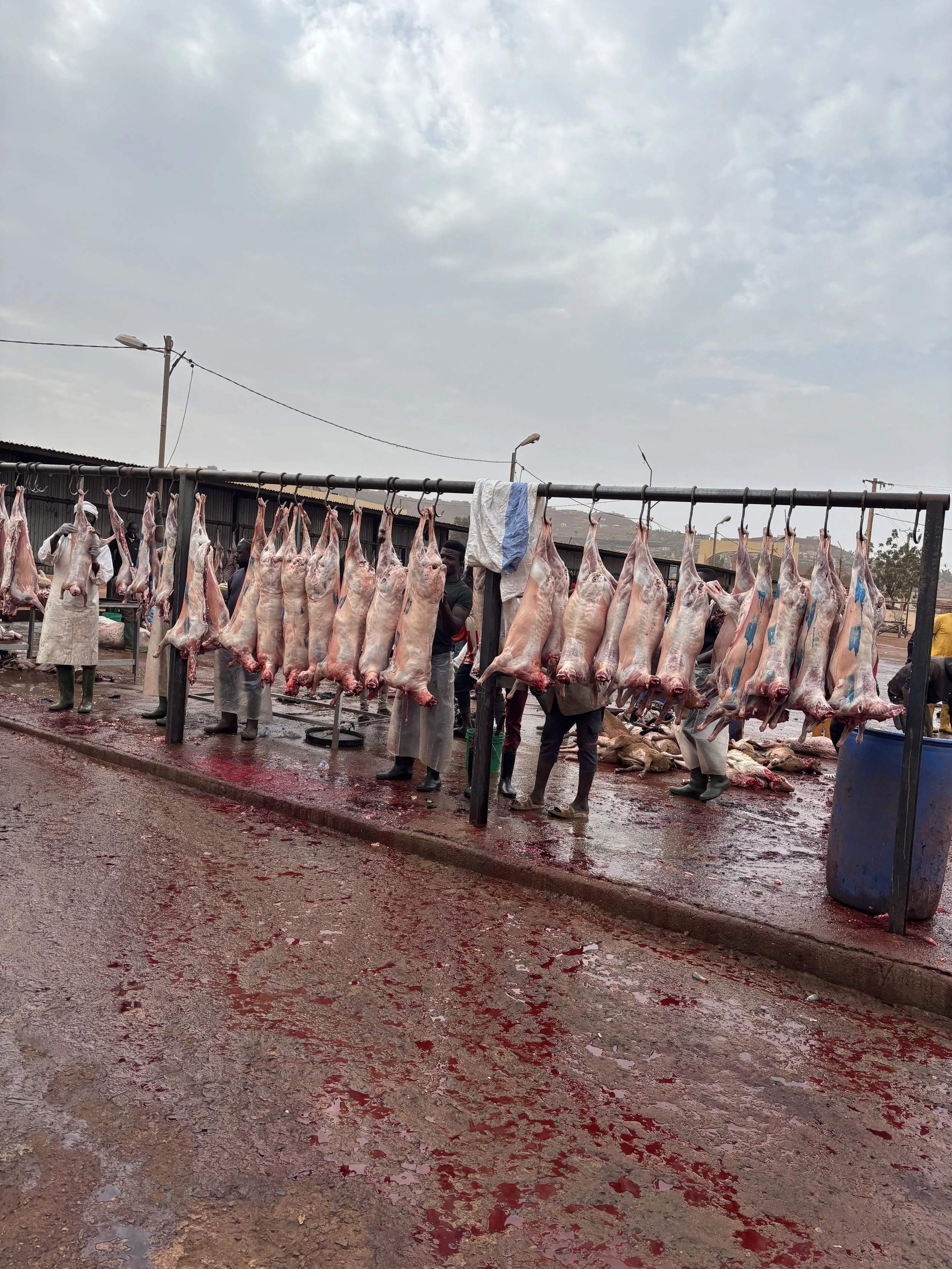
Food Safety Concept in Developing Countries
The World Health Organization (WHO) and Food and Agriculture Organization (FAO) define food safety as food that is free from all hazards, whether chronic or acute, that may make food injurious to the health of the consumer.
The Codex Alimentarius, or "Food Code" is a collection of standards, guidelines and codes of practice adopted by the Codex Alimentarius Commission.
A Joint FAO/WHO Food Standards Program and was established by FAO and WHO to protect consumer health and promote fair practices in food trade. It held its first meeting in 1963.
Elements of the National Food Control System
I. Food legislation and regulations: The development of relevant and enforceable food laws and regulations is an essential component of a modern control system.
II. Inspection services (Inspectorate): The administration and enforcement of food laws require the assistance of a qualified, properly trained, efficient and honest food inspection service.
III. Information, education, communication and training
Food safety control systems play an increasingly important role in the transfer of information, education and advice to the various stakeholders in the farm-to-table chain. These include factual and objective consumer information, presentation and provision of information brochures and education programs for food industry managers and workers; development of train-the-trainer programs and provision of reference publications for agricultural and health extension workers.
Issues of the National Food Control System
The creation, updating, reinforcement or any other modification of food control systems requires national authorities to take into consideration a certain number of principles and values inseparable from food control activities, and in particular the following:
Maximum risk reduction through the strictest possible application of the principle of prevention throughout the food chain.
Consideration of the entire food chain, from farm to fork.
Introduction of emergency procedures to deal with specific risks (e.g. product recall).
Development of scientifically based food control strategies.
Establishment of priorities based on risk analysis and effective risk management.
Launching holistic, integrated initiatives targeting specific risks and their impact on economic prosperity.
The realization that food control is a widely shared responsibility, requiring genuine concerted action by all interested parties.
Problems specific to developing countries:
Food production systems:
Food Processing Industry
Food Control Infrastructure and Related Resources
Technical Assistance: The Role of International Organizations:
Developing countries’Dilemma
Safety vs Food Security
Domestic vs international standards
Food Safety vs Food Quality
Food Safety vs Food Suitability
Local vs Import food
Food Safety vs Value Chain
Conclusion: Challenges facing national food control systems
Outdated or incomplete food laws and regulations
Absence of a national food control strategy, poorly defined and overlapping mandates among agencies involved
Limited infrastructure, equipment, supplies, skilled personnel
Inadequate scientific and technical resources for food inspection and compliance
Limited knowledge about, and ability to comply with, food quality and safety assurance systems
Weak capacity to participate fully with international bodies and in agreements governing trade in food